About slum test appparatus
as per ISI 7320
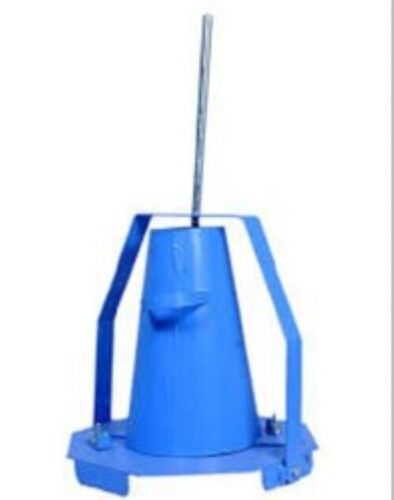
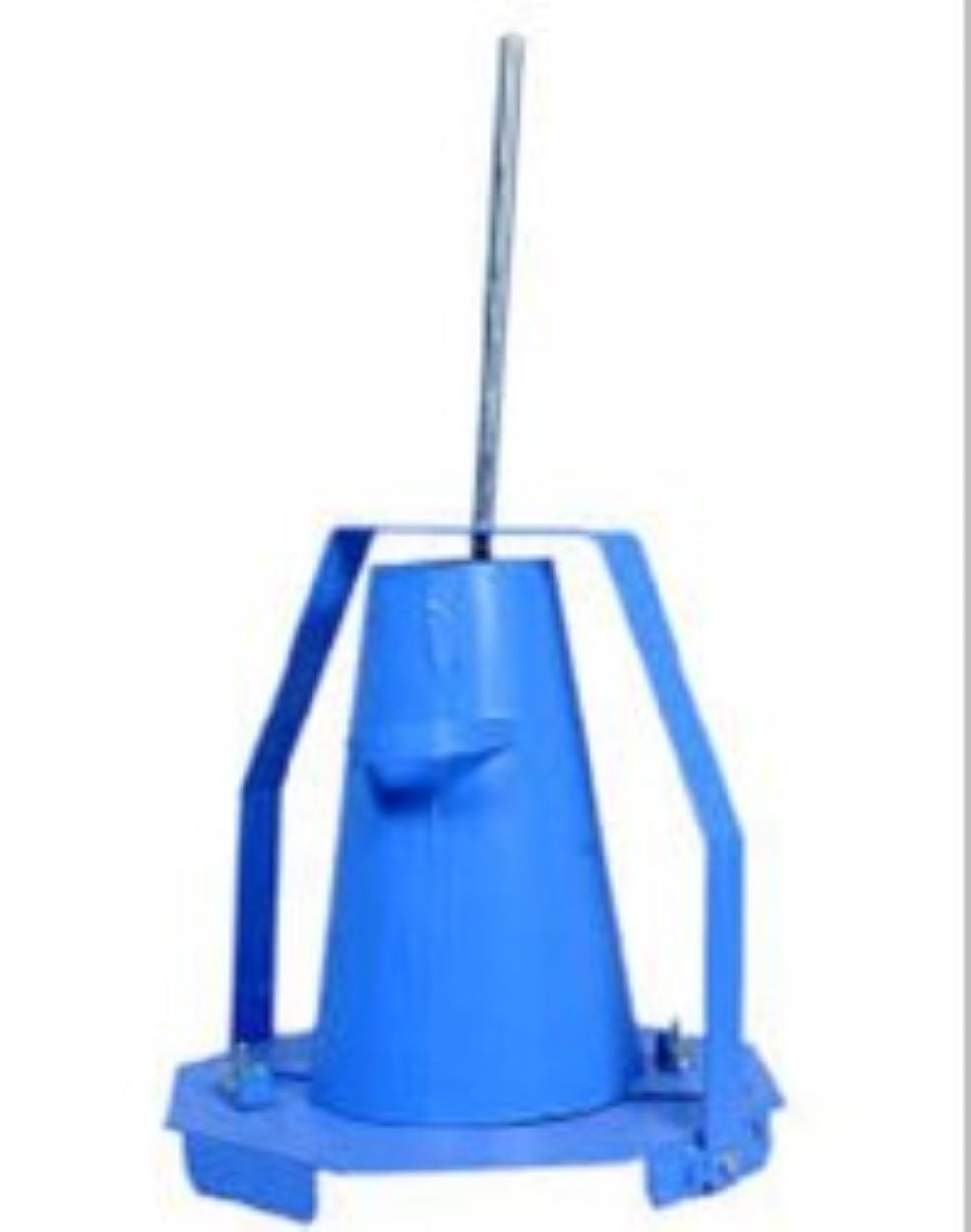
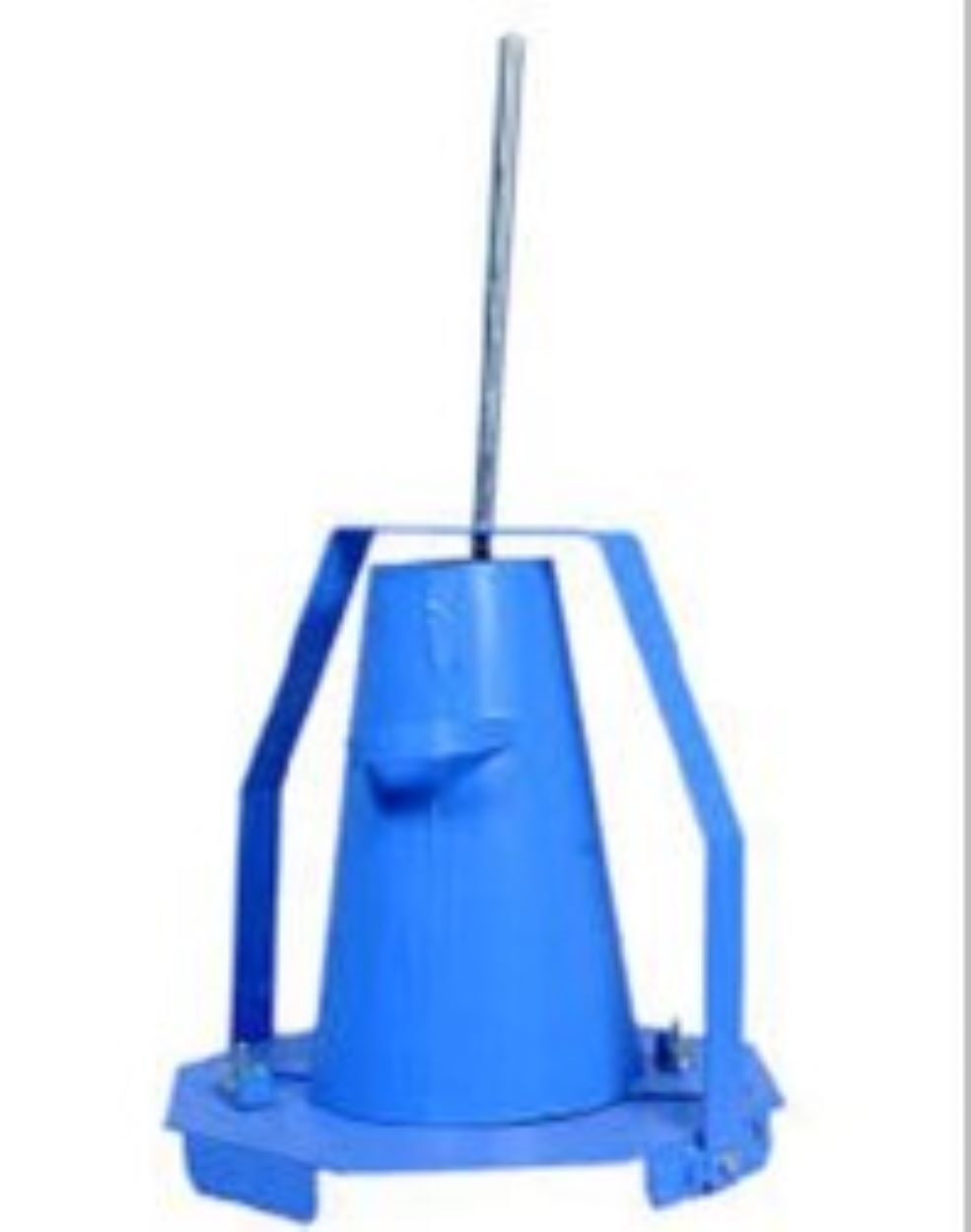
Slump Test Apparatus with testing rod and base plate, consisting of slump cone, Dase plate (200mm and height 300mm) with swivel handle. Tamping rod steel. 16 mm dia x 600 mm length Precision and Durability for Concrete TestingEngineered with a mild steel cone and galvanized base plate, this slump test apparatus stands out for its robustness and resistance to corrosion. The apparatus features a powder-coated or galvanized surface, making it long-lasting and easy to clean after use. Its reliable manual operation ensures accurate readings under various ambient conditions, both in the laboratory and in the field.
Convenient and Easy OperationWith included accessories such as a tamping rod and a graduated steel scale, this apparatus simplifies the testing process. The device is lightweight and manually operated, allowing for straightforward assembly and transportation. Designed for a single specimen, the apparatus supports standard procedures and provides instant, readable results with a 1 mm resolution scale.
FAQ's of slum test appparatus:
Q: How is the slump test apparatus used to assess concrete workability?
A: The slump test apparatus is used by filling the mild steel cone with fresh concrete in three layers, each compacted with the tamping rod. After lifting the cone vertically, the decrease in concrete height (slump) is measured with the graduated scale to evaluate workability.
Q: What materials are used in the construction of the slump test device?
A: The device is constructed with a mild steel cone and a galvanized iron base plate, both having corrosion-resistant, powder-coated or galvanized surfaces to ensure durability and easy maintenance.
Q: When and where can I use the slump test apparatus?
A: This apparatus is suitable for both laboratory and on-site field testing, making it ideal for quality checks of fresh concrete before or during construction projects.
Q: What is the measurement range and accuracy of the apparatus?
A: The apparatus can measure slump values within a range of 0 to 230 mm, with a graduated steel scale providing precise 1 mm resolution for accurate assessment.
Q: What process should be followed when performing a slump test?
A: Fill the cone in three equal layers, compact each with 25 strokes of the tamping rod, then carefully remove the cone vertically. Measure the difference in height between the top of the concrete and the cone using the graduated scale to obtain the slump value.
Q: What are the benefits of using this slump test apparatus?
A: Benefits include portability, manual and simple operation, corrosion resistance, accurate readings, easy cleaning, and suitability for repeated use in both field and lab conditions.
Q: Does the apparatus require any special mounting or installation?
A: No special installation is necessary; the apparatus is designed for manual placement and can be set up quickly on any level surface.
 We'are open : Mon - Sat 9:00 - 18:00





 Send Inquiry

 Send Inquiry
 Send Inquiry